



book@addisethiopiatours.com

P.O. Box 13378 A. A, Ethiopia

Omo National Park

Omo National Park

Omo National Park is on the west bank of the Omo River in the lower Omo valley. The park is 140 km long, stretching from the Neruze River in the south to the Sharum plain in the north, and up to 60 km wide where the Park Headquarters are situated. Major land features include the Omo River on the east, the Maji Mountains and the Sharum and Sai plains in the north and west, and the Lilibai plains and Dirga Hills to the south.

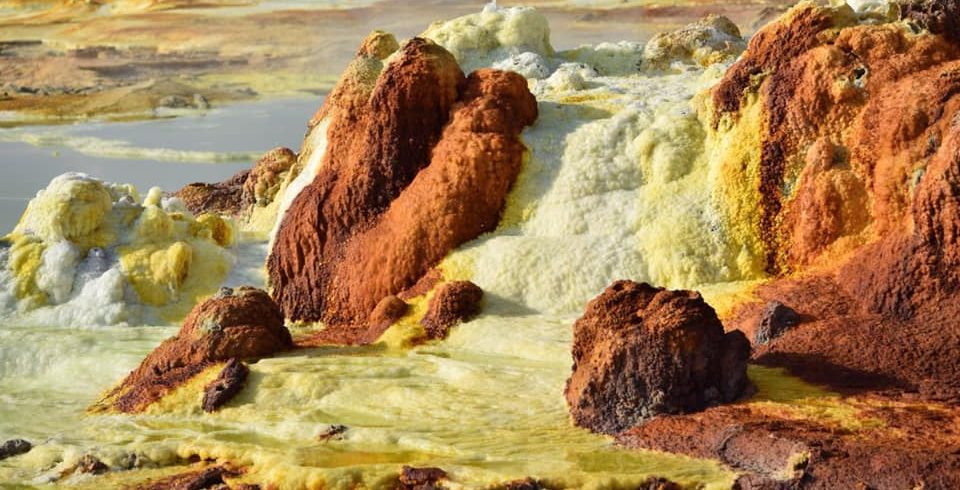
There are three hot springs, and the park is crossed by a number of rivers, all of which drain into the Omo. The important Mui River crosses the middle of the park. Much of the park is at 800m above sea level but the southern part by the Neruze river drops to 450m. The highest peak in the Maji Mountains is 1,541m. The edges of the Omo River, which borders the park along its length to the east, are covered by close stands of tall trees.

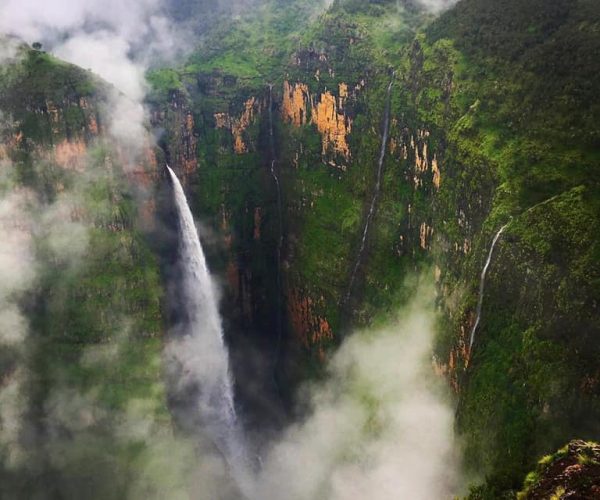
Jinbar Falls, Semien Mountain National Park

The poor road network in the region is perhaps one reason why the area has stayed intact. This has assisted in delaying the destruction of the lifestyles of the people who live there as well as the balance of natural resources on which they depend. The track from Jinka in the east to the edge of the Omo River is only accessible in the dry season (August – February). Another track, from Maji to the Omo National Park on the west, is almost impassable and is mostly used only by Omo National Park vehicles and a few other adventurous visiting groups.

Omo National Park was established to conserve the areas rich wildlife and develop the area for tourism. However, the potential of the Omo River (between the two parks) for recreation and tourism activities has not been fully realized. Since the mid-1970s, the National Parks Omo to the west and Mago to the east of the river have not been able to attract many visitors, largely as a result of the communication barrier created by the Omo River and the very poor tourist facilities in the parks. This is now being remedied.

The current bird list for the park is 312 species. The riverine forest along the Omo River is important for several different bird groups, including herons and egrets, kingfishers, barbets, chats and thrushes, woodpeckers, pigeons, shrikes, warblers and flycatchers. Pale arctic species, especially waders, are fond of the hot springs at Illibai.

Scroll to Top
Adisu M,

Adisu M,

Typically replies within a few minute

I will be back soon

Adisu M,
Hey There 
Welcome to Addis Ethiopia ToursnThank you for visiting us. Our expert team is here to assist you with any questions about our tours, custom itineraries, travel requirements, or pricing.
Start Chat with:
chat Chat With Us Now
Felipe N
Felipe N

Just left us a 5 star review

tripadvisor
Felipe N
December 5, 2023
tripadvisor
Dave G
December 4, 2023
tripadvisor
jahmeel t
December 4, 2023
tripadvisor
Khetrin S
November 5, 2023
tripadvisor
Brenda
June 19, 2023
tripadvisor
Madeline B
April 25, 2023
tripadvisor
Carly T
April 23, 2023
tripadvisor
dallalhh
April 15, 2023
tripadvisor
Katrin L
April 9, 2023
tripadvisor
Sarah W
March 20, 2023
tripadvisor
James B
March 11, 2023
tripadvisor
Tams108
February 1, 2023
tripadvisor
Patricia B
January 29, 2023
tripadvisor
nicc502
January 10, 2023
tripadvisor
Meenakshi R
November 6, 2021
tripadvisor
Anastasija_anarid
February 19, 2021
tripadvisor
Manuela Romero
December 13, 2020
tripadvisor
Caroline d
February 29, 2020
tripadvisor
Jess
January 20, 2020
tripadvisor
Christiana M
December 27, 2019
tripadvisor
Adam B
November 24, 2019
tripadvisor
Christiane R
November 19, 2019
tripadvisor
Meraj C
November 4, 2019
tripadvisor
Muluken G
October 30, 2019
tripadvisor
Anne L
October 26, 2019
tripadvisor
Katie
October 17, 2019
tripadvisor
Bmerskine
September 16, 2019
tripadvisor
JOSEPH R
August 30, 2019
tripadvisor
Tim T
July 7, 2019
tripadvisor
kingdaniel
January 6, 2019