
Lalibela
Rock-hewn churches of Lalibela
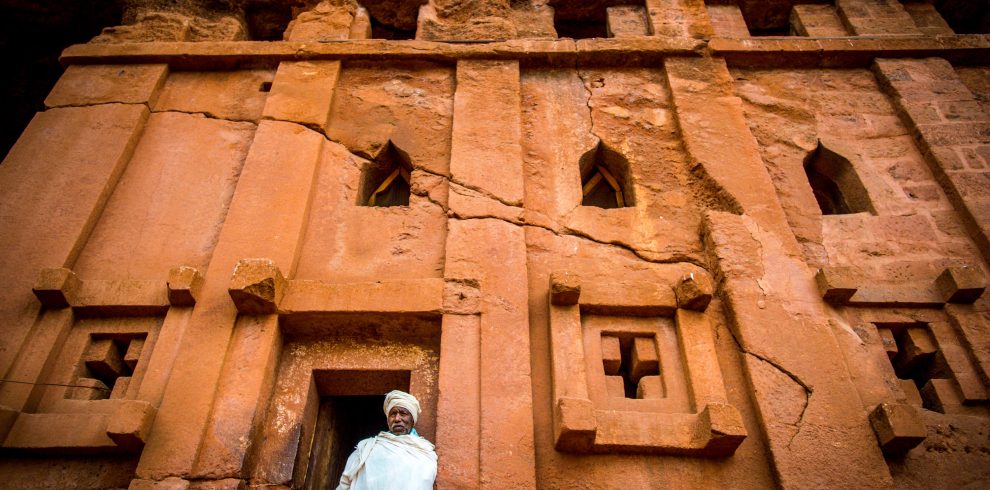
The beginning of rock-cut churches in Ethiopia is dated to the 6th century by the Nine Saints. This rock-church tradition is associated with the birth and burial places of Jesus Christ, which were a cave in Bethelem and carved rock in Gologotha, respectively. In addition to this symbolic importance, churches were built from rocks perhaps for their physical durability and long-lasting.
Although the tradition of rock-hewn church excavation was started earlier in 6th century, it reached at its high level of development during the period of Zagwe Dyansty, particularly during the reign of King Lalibela in the 12th century. In this regard, the famous rock-hewn churches of Laiblea are best examples.
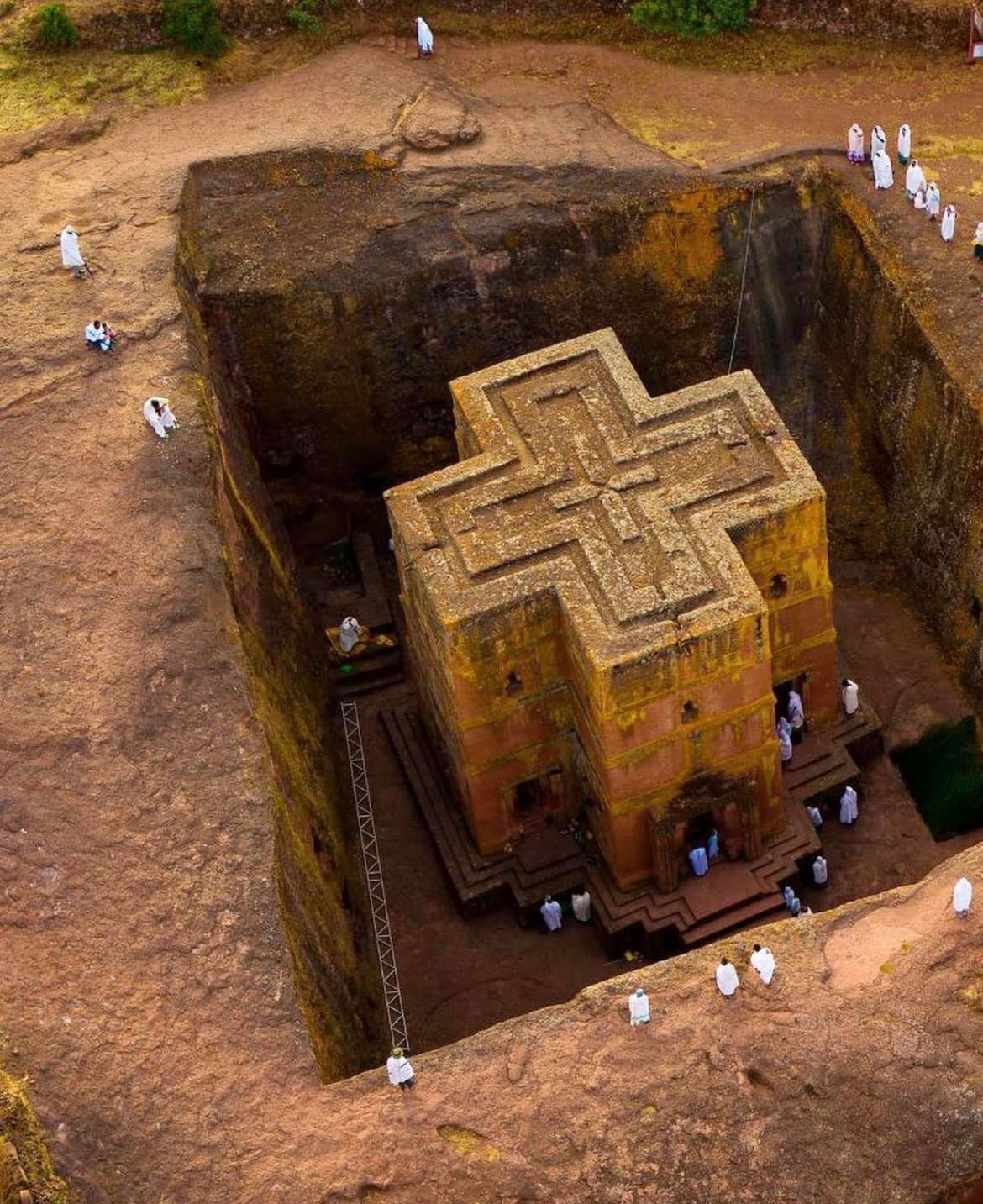
The prominent rock-hewn churches of Lalibela are eleven in number and situated in three groups separated by the seasonal river Jordan. Churches of the first group are believed to have been built first and are usually visited first by many of the tourists. They are Bete Medhane-Alem, Bete Mariam, Bete Mesekel, Bete Denagel, Bete Golgotha and Bete Debre Sina. Churches of the second group are situated south of the Jordan River and comprise Bete Gabriel, Bete Amanuel, Bete Merkorios, and Bete Abba Libanos. In the third group, there is only one isolated church i.e Bete Giorgis. It is located a few minutes walk to the south west of both the first and second group of churches.
Lalibela - 8th wonder of the world
Rock Hewn Churches of Lalibela (The 8th wonder of the world: Lalibela)
Lalibela is designated as world Heritage site in 1978. Originally thought to have been built in the 12th century during the reign of King Lalibela, but some have been dated back to the 10th century. There are eleven churches, assembled in three groupings; the Northern Group: Bete Medhane Alem, home to the Lalibela Cross and believed to be the largest monolithic church in the world. It is linked to Bete Maryam (possibly the oldest of the churches),
Bete Golgotha (known for its arts and said to contain the tomb of King Lalibela), the Selassie Chapel and the Tomb of Adam. The Western Group: Bete Giyorgis, said to be the most finely executed and best preserved church. The Eastern Group: Bete Amanuel, Bete Merkorios, Bete Abba Libanos and Bete Gabriel-Rufael. Further afield lay the monastery of Ashetan Maryam and Yimrehane Kristos church.